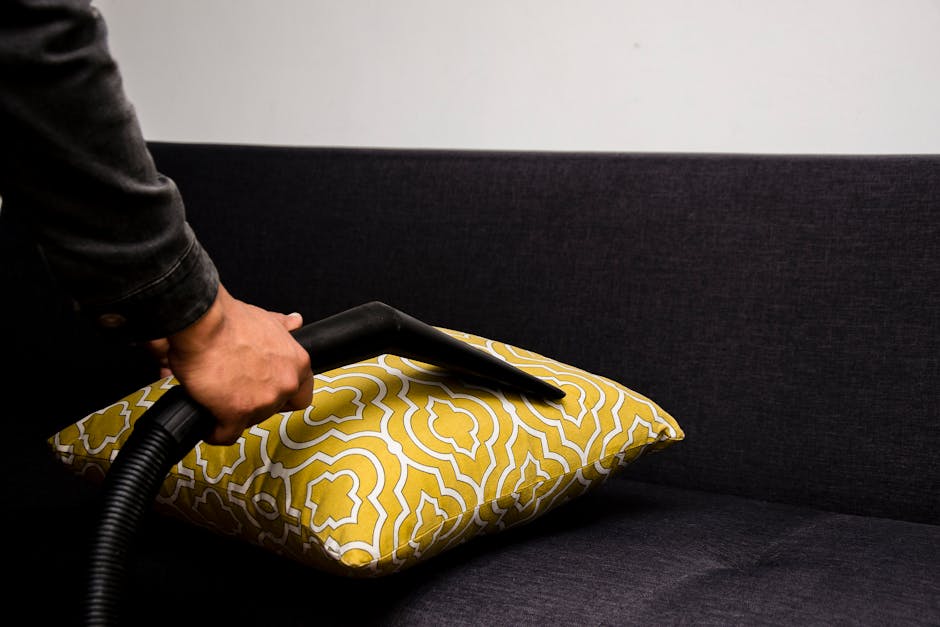
Same day upholstery cleaning in Friern Barnet New Southgate: fast, careful help when you need it most
If your sofa, armchair, or dining chairs have been hit by a spill, pet mess, or an unlucky last-minute stain, same day upholstery cleaning in Friern Barnet New Southgate can feel like a small miracle. You want the mark gone, the room to smell fresher, and the furniture to be safe to use again without waiting around for days. Fair enough.
This guide explains what same day upholstery cleaning actually involves, how it works in a local setting, when it makes sense, and what to check before you book. We'll also look at practical expectations, common mistakes, and a few expert tips that can save you money and hassle. If you're comparing options, you may also find it useful to browse the wider upholstery cleaning service alongside related care like sofa cleaning and stain removal.
Let's get straight to it.
Table of Contents
- Why Same day upholstery cleaning in Friern Barnet New Southgate Matters
- How Same day upholstery cleaning in Friern Barnet New Southgate Works
- Key Benefits and Practical Advantages
- Who This Is For and When It Makes Sense
- Step-by-Step Guidance
- Expert Tips for Better Results
- Common Mistakes to Avoid
- Tools, Resources and Recommendations
- Law, Compliance, Standards, or Best Practice
- Options, Methods, or Comparison Table
- Case Study or Real-World Example
- Practical Checklist
- Conclusion
- Frequently Asked Questions
Why Same day upholstery cleaning in Friern Barnet New Southgate Matters
Upholstery tends to show damage quickly. A mug of tea on a light fabric, muddy paw prints after a wet walk, or a guest dropping food on a chair can leave a stain that gets harder to treat by the hour. Same day cleaning matters because it reduces the time the spill has to settle into the fibres, backing, and padding.
In a busy household, that speed is not just about appearance. It can help with odour control too. Fresh spills often smell mild at first, then oddly sour later in the day. You know the feeling. If the fabric is porous, waiting can mean a much longer drying and recovery process, and in some cases the mark becomes semi-permanent.
For homes in Friern Barnet and New Southgate, same day service is especially useful when you have a small window between school runs, commuting, remote work calls, or family plans. Nobody wants a wet sofa lingering for two days in a flat where space is already tight. A prompt visit can keep life moving.
There's another angle as well: confidence. If you have a nice piece of furniture, maybe something you actually saved for, you want someone who can assess the fabric properly and work quickly without being reckless. Speed is useful only when it's paired with judgement.
For customers who want broader care across the home, it can also make sense to combine upholstery work with related services such as pet stain and odour removal or even rug cleaning if the same incident affected more than one surface.
Expert takeaway: same day upholstery cleaning is most valuable when a stain is fresh, the fabric is sensitive, or you simply need the room back to normal quickly. Fast action buys you options.
How Same day upholstery cleaning in Friern Barnet New Southgate Works
Same day upholstery cleaning is usually a streamlined version of a standard clean. The process is still careful, just more time-sensitive. A good cleaner will first ask a few questions about the fabric, the mark, the age of the stain, and whether the item has been cleaned before. That helps avoid over-wetting or using the wrong chemistry.
In most cases, the appointment includes an initial inspection, a fabric test, pre-treatment, agitation if needed, extraction or low-moisture cleaning, and then drying advice. If the fabric is delicate, the method may lean toward controlled spot treatment rather than a full soak. To be fair, that is often the safer route.
Here's what usually happens behind the scenes:
- Assessment: the cleaner identifies fibre type, construction, and visible contamination.
- Spot testing: a small hidden area is tested to check for colour transfer or texture change.
- Pre-treatment: targeted solutions loosen stains and break down oils or organic residue.
- Cleaning method: either hot water extraction, low-moisture cleaning, or specialist hand cleaning is used depending on the fabric.
- Rinse and recovery: residue is removed where appropriate, and the fabric is groomed or brushed back into shape.
- Drying guidance: airflow, room temperature, and contact restrictions are explained so the upholstery dries well.
One thing people often miss: same day does not mean rushed. It should mean responsive. If an operator is prepared, they can usually arrive with the right kit, identify the likely risks quickly, and choose the safest practical method. That's the difference between a proper service and a quick wipe with a mystery spray.
If you're comparing the upholstery clean with other fabrics in the property, similar principles apply to curtain cleaning and mattress cleaning: test first, work carefully, and avoid over-wetting.
Key Benefits and Practical Advantages
There are a few clear reasons people choose same day upholstery cleaning, and most of them are practical rather than glamorous. Let's face it, nobody books this for fun.
- Faster stain control: fresh spills are easier to lift than set-in marks.
- Reduced odour: speed helps limit lingering smells from food, drink, pets, and moisture.
- Less disruption: you can often get the furniture usable again much sooner than with delayed cleaning.
- Better chance of fabric recovery: prompt care can reduce the risk of permanent discolouration.
- Peace of mind: a fast response is comforting when the damage happened just before guests arrive or before a busy week.
- Local convenience: same day appointments can be a sensible fit for households with limited time and space.
There's also a hidden benefit: people tend to avoid damaged furniture when it looks bad, which can make the whole room feel cluttered or neglected. Once the stain is addressed, the room tends to feel lighter. A bit less "we'll deal with that later," a bit more home again.
For landlords, tenants, and small offices, rapid upholstery care can also reduce friction. A quick response after an accident may prevent a minor issue turning into a complaint or a replacement bill. If the furniture is part of a business setting, you may want to look at commercial carpet cleaning too, especially if traffic through the space has been heavy.
Who This Is For and When It Makes Sense
Same day upholstery cleaning is not just for emergencies. It suits a range of real-life situations, and the best time to call is often earlier than people think.
Households with children: juice, snacks, marker pens, and the occasional mystery patch all happen. Quickly cleaning the affected chair or sofa can save a lot of later stress.
Pet owners: wet paws, fur, drool, and accidents on fabric can become smelly fast. In homes with pets, the clock matters more than people realise.
Renters and landlords: if a tenancy is ending or starting, same day service can tidy up an accidental mark before inventory photos or a move-in inspection.
Busy professionals: when the work day is packed and the sofa is part office, part living room, same day service can be the easiest way to keep the place respectable. Not luxurious. Just decent. Sometimes that's enough.
Older furniture: a well-made chair or settee often deserves cleaning rather than replacement. Same day treatment can help preserve a piece you actually like, instead of sending it to the tip after one incident.
Businesses and clinics: waiting rooms, reception seating, and staff areas can't really look tired for long. In that setting, fast cleaning supports the overall impression of care and order.
If the issue is a deep, widespread smell rather than a visible mark, it may be worth discussing whether steam carpet cleaning or a wider fabric clean is needed as part of the visit. Sometimes one stain is just the visible part of a bigger mess.
Step-by-Step Guidance
If you want the best outcome from a same day upholstery visit, a little preparation helps. It's not hard, but it does matter.
- Act quickly, but do not scrub. Blot spills with a clean absorbent cloth. Press gently. Scrubbing can drive the stain deeper and damage the pile.
- Note the fabric and the stain type. If you know whether it's cotton, synthetic, wool blend, velvet, or something else, say so. If you don't know, that's fine. Just explain what happened.
- Take a quick photo. This helps if you need to show the cleaner the exact condition before treatment, especially if the stain has started to fade or spread.
- Clear the area. Move ornaments, throws, and small items so access is easy. A cleaner can work faster when they're not navigating around three side tables and a sleepy cat.
- Ask about the method. Good cleaners should be able to explain whether they will use low-moisture cleaning, extraction, or a gentler spot process.
- Check drying expectations. Ask how long the upholstery may need before normal use. Airflow and room temperature make a real difference.
- Follow the aftercare advice. Don't sit on it too early, don't pile cushions back on immediately, and keep windows open if advised.
That last point is easy to ignore. Then people wonder why a patch dries unevenly or leaves a faint ring. Happens all the time.
If the cleaner also recommends matching care for nearby fabrics, it may be sensible to read about the site's wider carpet cleaning approach or explore the basics of steam carpet cleaning if the room floor has taken a spill too.
Expert Tips for Better Results
These are the little things that often make the difference between a decent result and a really good one.
- Tell the truth about the stain. If it was red wine, fake tan, curry, pet urine, or oil, say so. Guessing wrong can waste time.
- Don't use supermarket stain remover first. Some products set the stain or react with later treatment. A cleaner can usually tell what was applied, even if the smell gives it away.
- Keep airflow steady. Open a window slightly or use a fan where safe. Drying is part of the job, not an afterthought.
- Protect nearby surfaces. Leather, wood, and painted walls can be marked if cleaning chemistry is splashed around carelessly.
- Ask for the plan before the work starts. A quick explanation of the fabric test and cleaning method is a good sign of professionalism.
- Consider the whole room. If the furniture is clean but the carpet smells musty, the room still won't feel fresh. Sometimes a combined visit saves time and gives a better result overall.
In our experience, customers are often pleasantly surprised by how much fresher a room feels after one targeted clean. It's not just visual. The air changes a little too.
Also, a small but useful note: velvet and some textured weaves can look patchy while drying. That doesn't automatically mean something went wrong. Sometimes the fibres just need grooming and patience. A bit annoying, yes, but normal.
Common Mistakes to Avoid
Most upholstery damage from cleaning is avoidable. Not all of it, but most. Here are the usual traps.
- Rubbing too hard: this pushes the stain around and can distort fabric pile.
- Using too much water: upholstery is not carpet. Over-wetting can lead to long drying times, water marks, and odour.
- Ignoring fabric labels: some materials need specialist handling. A one-size-fits-all approach is asking for trouble.
- Leaving the stain for days: once it settles, removal becomes more complex and sometimes less successful.
- Assuming any cleaner can clean anything: experience matters, especially with delicate or colour-sensitive fabrics.
- Skipping pre-testing: a hidden test spot is a basic safeguard, not an optional extra.
Another mistake is booking purely on speed. Same day is helpful, sure, but if the company cannot explain their method or gives you a vague promise like "we'll sort it," that should make you pause. Maybe not panic. Just pause.
For recurring household messes, it can also help to think beyond the immediate stain and consider prevention. A cleaner can often advise whether a fabric protector, better routine care, or a different cleaning interval makes sense.
Tools, Resources and Recommendations
You don't need a van full of kit to deal with upholstery properly, but the right tools matter. A professional setup typically includes:
- fabric-safe detergents and pre-sprays
- spotting agents for different stain types
- soft brushes and controlled agitation tools
- microfibre cloths and absorbent towels
- extraction or low-moisture cleaning equipment
- air movers or drying support, where appropriate
- inspection lights for checking fibres and residue
For customers, the most useful "resource" is actually preparation. Have a clear photo, a short description of what happened, and access to the affected room. If the item is a sofa bed, recliner, or modular piece, say that upfront so the cleaner arrives ready.
A sensible recommendation is to keep expectations grounded. Upholstery cleaning can dramatically improve appearance and hygiene, but it is not a magic wand. Some stains fade fully, some improve a lot, and some remain as light shadows depending on the fabric and the age of the mark. Honest guidance is better than overpromising.
If you are comparing service quality, check the company's general approach to insurance and safety as well as practical details on pricing and quotes. Those pages won't clean a chair, obviously, but they do tell you a lot about how a business works.
Law, Compliance, Standards, or Best Practice
For upholstery cleaning in the UK, the main thing to understand is that good practice matters more than big claims. A reputable cleaner should work carefully, communicate clearly, and handle products and equipment responsibly.
That usually means:
- testing fabrics before treatment
- following product instructions and safe handling guidance
- reducing unnecessary moisture on sensitive materials
- explaining any limitations before work begins
- being honest if a stain is likely permanent or only partially treatable
If you're using a business in a home, letting them know about access, pets, vulnerable flooring, or any safety concerns is sensible too. The best operators should have their own health and safety routine, and you can often get a feel for that from pages like health and safety policy and terms and conditions.
Data handling is another quiet but relevant part of the service journey. If you share your details for a quote or booking, it is reasonable to expect clear information about privacy and payment security. That's just normal trust-building, not fancy extra stuff. If a company makes that easy to find, good sign.
For environmentally minded customers, it may also help to check whether the firm explains waste reduction or chemical use in plain language on a recycling and sustainability page.
Options, Methods, or Comparison Table
Not every upholstery issue needs the same treatment. A quick comparison helps.
| Method | Best for | Typical strengths | Watch-outs |
|---|---|---|---|
| Targeted spot cleaning | Small fresh stains | Fast, controlled, minimal disruption | May not suit deep contamination |
| Low-moisture cleaning | Delicate fabrics or busy homes | Shorter drying time, less saturation | May be less effective on heavy soil |
| Hot water extraction | More robust upholstery and deeper soiling | Strong cleaning power, good for general refresh | Needs careful moisture control and drying |
| Specialist fabric treatment | Velvet, wool blends, older furniture, tricky stains | Tailored approach, lower risk of damage | Usually slower and more dependent on inspection |
Choosing the right method is less about fancy equipment and more about matching the fabric and the problem. A heavy-duty extract on the wrong textile can be too much. A light surface clean on a deep spill may not be enough. Seems obvious, but it gets missed.
If the same incident also affected soft furnishings beyond the sofa, such as chairs or curtains, you may want a broader clean that includes curtain cleaning or related fabric care. One visit, one plan, fewer headaches.
Case Study or Real-World Example
Picture a fairly typical Friday evening in New Southgate. A family has friends arriving the next afternoon, and a drink spill lands on a pale fabric corner sofa. The stain looks manageable at first, but by the time the room is tidied, it has darkened at the edges. They blot it, keep the room ventilated, and book same day upholstery cleaning rather than waiting until next week.
When the cleaner arrives, the first step is a fabric check and a small test area. The spill turns out to be a mix of fruit juice and something sugary, which means the mark is sticky as well as visible. A controlled pre-treatment is used first, then a careful extraction pass with minimal saturation. One arm of the sofa needs a second light treatment around the border where the liquid spread.
By the end of the visit, the stain is much improved. Not invisible, if we're being exact, but enough that the sofa is presentable and the room feels back under control. The family leaves the cushions propped for airflow and avoids sitting on it for the recommended period. The next morning, the fabric is dry, and the odd sour smell is gone.
That kind of outcome is common when the response is quick and the cleaner is realistic about the fabric. It is not dramatic. Just effective. And honestly, that is what most people want.
Practical Checklist
Use this checklist before and during a same day booking:
- Identify the item: sofa, chair, bench, ottoman, or dining seat.
- Note the stain type if you can: drink, food, pet accident, grease, ink, or mixed spill.
- Blot gently with a clean towel; do not rub.
- Avoid applying random products before the cleaner arrives.
- Clear access around the furniture.
- Ask whether the fabric has a care label or any known limitations.
- Confirm the likely cleaning method and drying time.
- Keep pets and small children away from the work area if possible.
- Arrange airflow after cleaning.
- Follow all aftercare advice before using the furniture again.
Quick reminder: the best same day outcome usually comes from quick action, a calm approach, and a cleaner who knows when not to push too hard.
Conclusion
Same day upholstery cleaning in Friern Barnet New Southgate is really about getting your home or workspace back to normal without unnecessary delay. The best results come from fast reporting, sensible preparation, and a method matched to the fabric rather than a one-size-fits-all blast of cleaning power.
If you remember only one thing, make it this: a fresh stain is usually far easier to deal with than an old one, and a careful same day visit can save both the furniture and your sanity. Not every mark disappears completely, but many improve a lot when handled early and properly.
For anyone trying to decide what to do next, a thoughtful quote, a clear explanation of the process, and a realistic drying plan are the signs to look for. Small things, but they matter.
Get a free quote today and see how much you can save.
And if the room feels a little overwhelming right now, that's okay. One good clean can make a surprisingly big difference.
Frequently Asked Questions
How quickly can same day upholstery cleaning usually be arranged?
It depends on diary space, the time you call, and the type of job, but same day bookings are often possible when you contact the team early and give clear details about the stain and fabric.
Is same day upholstery cleaning safe for delicate fabrics?
It can be, provided the cleaner tests the fabric first and uses the right method. Delicate textiles often need low-moisture treatment or a more targeted approach rather than heavy saturation.
Will a same day clean remove every stain?
Not always. Fresh stains are much more likely to lift well, but older marks, dye transfer, and some synthetic spills can leave traces. A good cleaner should tell you what is realistic before starting.
How long does upholstery take to dry after cleaning?
Drying time varies by fabric, ventilation, method, and room temperature. Lightly cleaned items may dry fairly quickly, while deeper cleaning can take longer. Airflow makes a big difference.
Can you clean a sofa on the same day as a pet accident?
Yes, and that is one of the most sensible times to book fast help. Pet accidents can sink into the fibres and padding quickly, so prompt treatment helps with both stain and odour control.
Do I need to move furniture before the cleaner arrives?
Usually only small items need moving. It helps to clear side tables, cushions, throws, and anything fragile nearby. If the furniture is heavy, leave it in place and mention access when you book.
What should I do before the cleaner comes?
Blot the stain gently, avoid scrubbing, keep pets clear, and tell the cleaner exactly what happened. If you used any product already, mention that too. That detail matters more than people think.
Is same day upholstery cleaning more expensive than standard booking?
Sometimes it can be, especially if urgent scheduling or out-of-hours work is involved. The exact price depends on the item, fabric, severity of soiling, and how quickly you need the appointment.
Can same day upholstery cleaning help with smells as well as stains?
Yes. If the smell comes from fresh spill residue, body oils, food, or pets, targeted cleaning can make a noticeable difference. Older odours may need a more specialised treatment plan.
Should I choose sofa cleaning, upholstery cleaning, or stain removal?
If the issue is a whole sofa or multiple seating items, upholstery cleaning is usually the best fit. If the problem is a single visible mark, targeted stain removal may be enough. Sofa cleaning is often the most direct option for lounge furniture.
How do I know if a cleaner is using best practice?
They should inspect the fabric, do a spot test, explain the method, set realistic expectations, and give aftercare advice. Clear communication is a very good sign, simple as that.
Can the same visit include carpets or other soft furnishings?
Often yes, if the schedule and equipment allow it. Some customers choose to combine upholstery care with carpet or rug treatment so the whole room feels finished rather than half-done.